
As a bride-to-be getting married in 2026, I’ve been diving headfirst into the wonderful (and sometimes overwhelming) world of wedding planning. Along the way, I’ve encountered countless checklists, emails, fairs, and Pinterest boards. But one thing has consistently frustrated me: the overwhelming focus on “husband and wife” marketing and “his and hers” products.
It’s 2024 (nearly 2025!). Inclusivity isn’t just a buzzword; it’s a reflection of the diverse world we live in. Yet, so much of the wedding industry seems stuck in a very old-school mindset.
Take, for example, an email I received this morning from Hitched. The subject line read: “Christmas gifts your husband-to-be really wants.” My immediate reaction? Frustration. Hitched knows I am marrying a woman – they literally asked me when I signed up. Why bother to ask for details about who you’re marrying if you’re going to send the same email to everyone, assuming a heterosexual relationship? For people like me, this email was not only irrelevant—it felt thoughtless.
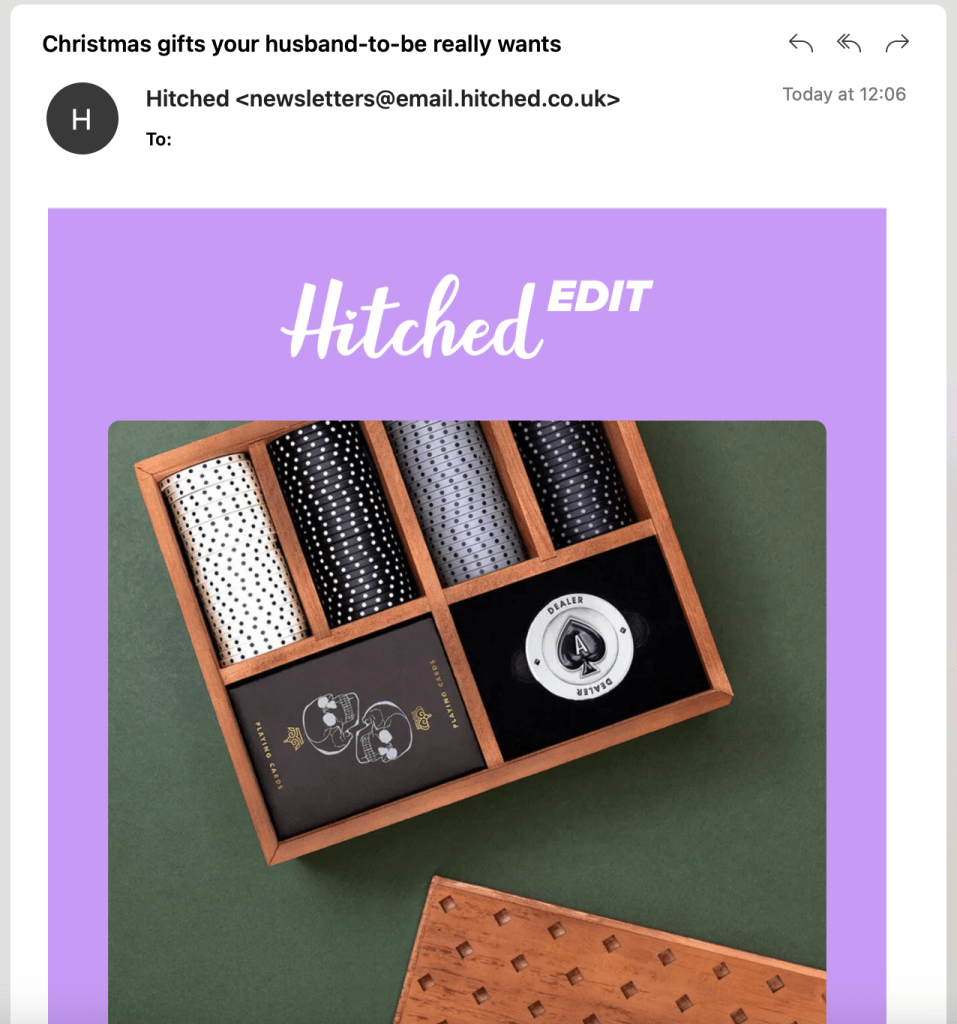
I moved the email straight to my bin, without opening it, ready to move on. But then I stopped and thought: shouldn’t I say something? Should I let companies like this know how they can do better? After all, we’re not asking for a revolution here. We’re simply asking for recognition.
I drafted an email and sent it – whether I will get a reply is yet to be determined.
The sad thing is, this isn’t an isolated incident. From photographers to videographers to wedding fairs, we’ve often encountered a similar “his and hers” narrative. It’s exhausting. And while deleting emails or ignoring stalls at fairs is easy enough, the repeated messaging sends a deeper signal: “You don’t belong here.”
How This Impacts Couples Like Us
I still vividly remember one of our earliest experiences visiting a potential venue. As we toured the space, the coordinator repeatedly asked if we wanted a civil ceremony. At the time, my partner and I weren’t entirely clear on the legal differences, but their tone made it feel like they assumed we couldn’t—or wouldn’t—have a legal wedding. To this day, I’m unsure whether it was a licensing issue or a biased assumption. Either way, it was an uncomfortable and disheartening experience that instantly put us off the venue.
Experiences like these don’t just sour our planning process—they make us question whether the industry is truly ready to embrace and celebrate all kinds of love stories.
What We Wish the Wedding Industry Would Do
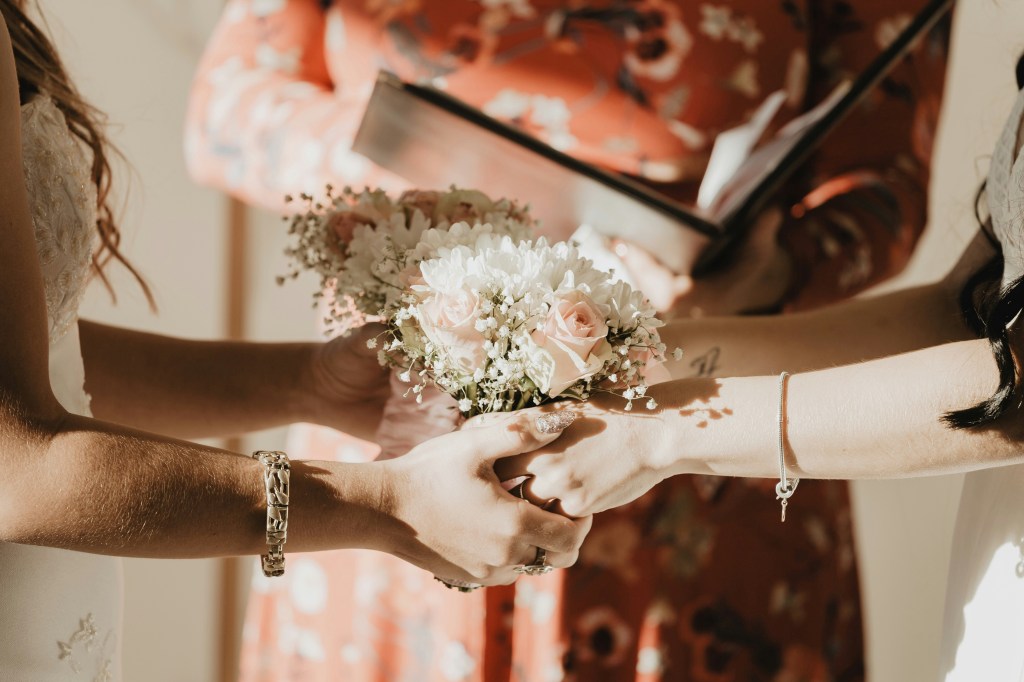
We’re not asking companies to erase “his and hers” marketing. Absolutely not. Of course there are still thousands of couples who will want to and deserve to see it and be included in this way. But wouldn’t it be wonderful to also see:
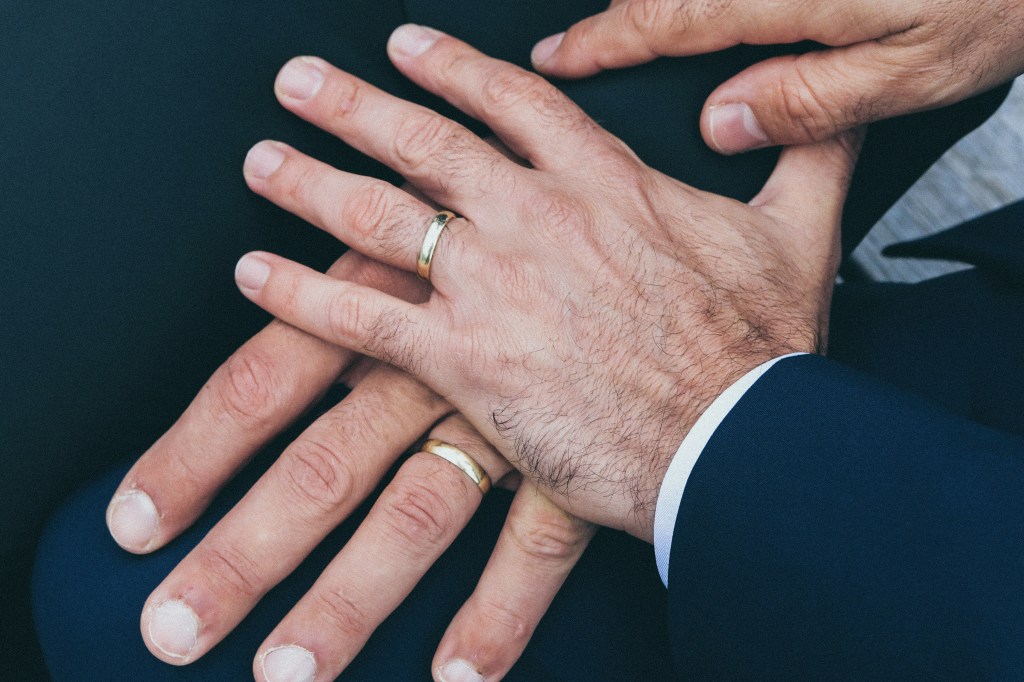
- His and His
- Hers and Hers
- Their and Theirs
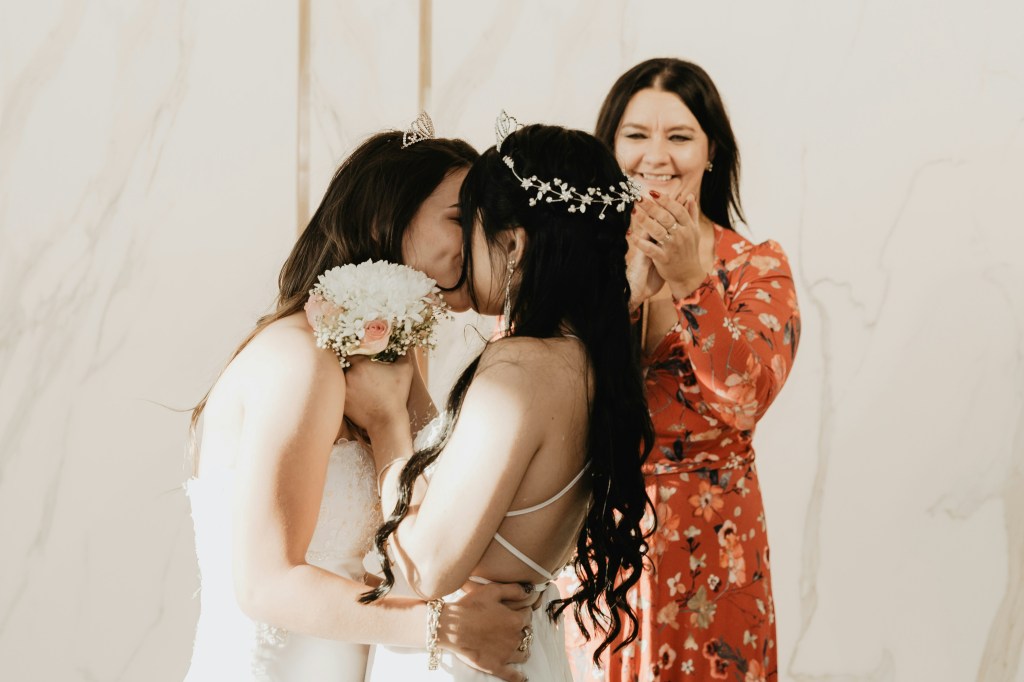
Even small gestures, like including images of same-sex couples in brochures, on websites, or in marketing emails, can go a long way in helping couples like us feel seen and welcomed.
One of the first things my partner and I look for now when researching vendors is some kind of reference on their website of being LGBT+ friendly. For us, that’s a quick sign that the company values inclusivity. Those venues immediately feel more welcoming, and they’ve consistently made it to the top of our list over others that didn’t display this consideration.
A Call to Action for Wedding Brands
Inclusivity isn’t hard. It’s about acknowledging that your audience is diverse and making small but meaningful changes to your messaging and marketing. The wedding industry thrives on love, joy, and celebration—let’s make sure everyone feels like they belong in that celebration.
To any wedding company reading this: please think about the wider wedding market. We’re here. We exist. And we’re ready to celebrate our love, just like everyone else.
Let’s make sure your messaging reflects that.
 On My Mind
Leave a comment