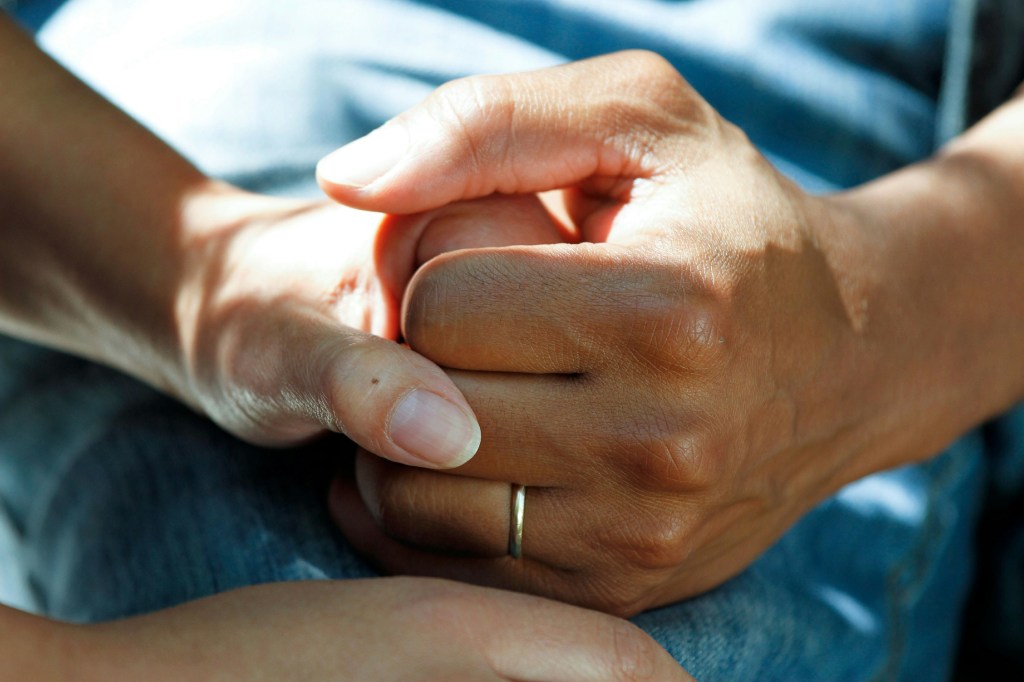
Last night, I received the kind of news that makes time stand still. My mum’s surgery, which we had hoped would bring clarity and resolution, revealed complications. The uncertainty we’d been grappling with was replaced by a harsh new reality: she has an aggressive form of cancer. Processing this felt like being hit by a wave I couldn’t escape. My first instinct was to push the feelings down and stay strong for her. But I quickly realised that I needed to allow myself to feel everything if I was going to be there for her, my family and myself.
The hours that followed were a rollercoaster of emotions. I let myself cry — big, heaving sobs that I didn’t try to control. I felt scared, angry, and helpless. Then, when the initial flood of emotion ebbed, I turned to research. I wanted to understand what the findings meant, what treatments might look like, and what hope we could hold onto. The research didn’t give me answers, but it gave me a sense of control in a moment that felt utterly uncontrollable. That’s when the tears came again, softer this time, as the weight of everything settled in.
After that, I did something small but significant: I ran a bath. It wasn’t a solution, but it was a pause — a moment to breathe, to ground myself, and to remind my body that it’s okay to slow down. I told my boss I might need to take a half day tomorrow, depending on what the consultant told us in the morning. Just sending that message lifted some of the pressure I’d been carrying, allowing me to focus on what truly mattered.
Why Self-Care Matters
In times of crisis, self-care can feel trivial, even selfish. But it’s the opposite. Taking care of yourself isn’t about ignoring the problem or avoiding hard emotions; it’s about creating the capacity to cope. When you’re faced with life-altering news, self-care becomes a lifeline — a way to steady yourself so you can face what’s ahead.
Practical Steps for Self-Care
If you’re navigating bad news, here are some steps that might help:
- Allow Yourself to Feel: Bottling up emotions only makes them harder to manage later. Let yourself cry, scream, or sit quietly with your thoughts. There is no “right” way to feel.
- Seek Understanding: If it helps you, do some research or ask questions. Knowledge can be empowering, even if it doesn’t change the outcome (it can also do the opposite and send you spiralling into a dark place – we all know how awful Dr Google can be at misdiagnosing and jumping to the worst possible conclusions, so please do bear this in mind if research is something you want to engage in, and try to only read reputable sources like genuine medical journals).
- Take a Break: Do something grounding, like taking a bath, going for a walk, or simply sitting with a cup of tea. These small acts remind you that you’re human and deserving of care.
- Communicate Your Needs: Whether it’s letting a boss know you’ll need flexibility or asking a friend to sit with you, sharing your needs lightens the load.
- Be Kind to Yourself: This isn’t the time for perfection. Eat what’s easy, wear what’s comfortable, and let go of expectations.
A Reminder to Keep Going
If you’re in the thick of it right now, I see you. These moments test us in ways we never imagined, but they also remind us of our resilience. Self-care doesn’t make the pain go away, but it gives us the strength to carry it. And sometimes, that’s enough.
For now, I’m taking it one moment at a time. Tomorrow might bring more tears, or it might bring hope. Either way, I know that by taking care of myself, I’ll be better equipped to face whatever comes next. And if you’re navigating your own storm, I hope you’ll give yourself the same grace.
 On My Mind
Leave a comment